

Solutions
Securely accept, manage, and make payments through one point of integration




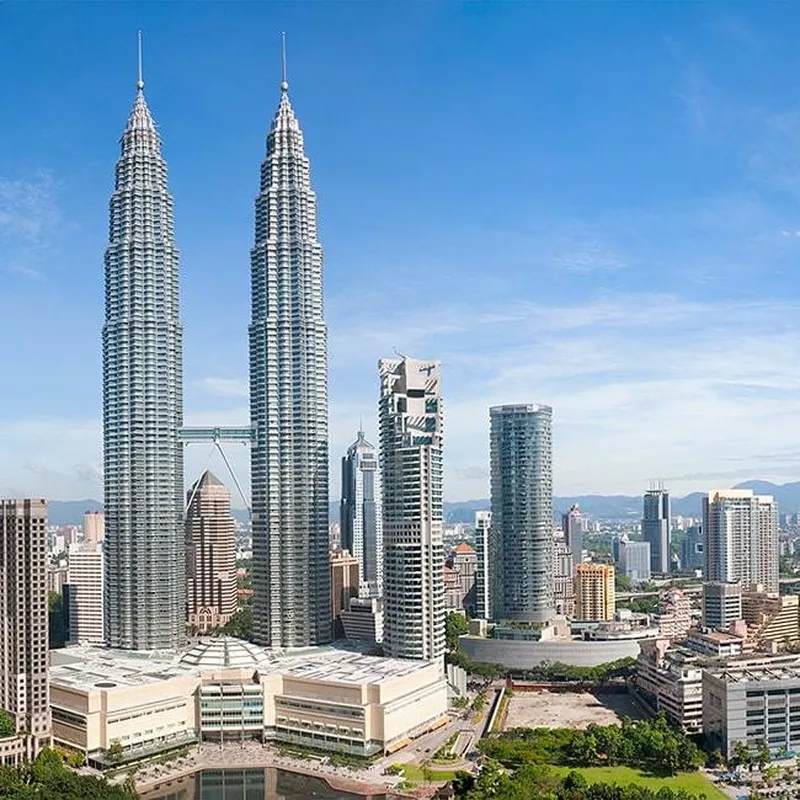
Malaysia also has a solid reputation for innovation – the superapp Grab started in a garage in its capital Kuala Lumpur a decade ago.
More recently, Malaysia was ranked the 8th most startup friendly nation in the world while another global assessment of innovation put Malaysia 2nd among upper middle income countries, one spot behind China.
As a relatively prosperous and business-friendly nation in a region that is rapidly becoming one of the most dynamic digital economies in the world, Malaysia offers a number of opportunities to both investors and established companies in the payments industry.
Malaysia adopted a pro-business outlook a long time before it became popular in Southeast Asia. The country’s special economic zones for technology have generated billions of new revenue while newer programs like the Global Acceleration and Innovation Network are helping local tech companies compete globally.
In November 2021, the government unveiled further plans to plug the digital divide and attract more digital investment with its enhanced MSC 2.0 initiative. This scheme will be accompanied by the aggressive rollout of the 5G network that aims to achieve 80% coverage of populated areas by 2024.
Other programs such as the Malaysia Digital Hub initiative supports co-working spaces for startups while the Malaysia Tech Entrepreneur Program provides foreign entrepreneurs with visas to set up companies in the country.
Digital banks are on the way as well. The central bank invited bids for five licenses and received paperwork from more than 50 interested parties ranging from the local airline AirAsia to consortiums backed by Tencent. One key attraction is the capital requirement of just $72 million compared with the $1.1 billion that neighboring Singapore required for fully functioning digital banks.
While Malaysia doesn’t suffer from the high rates of unbanked seen in the nearby Philippines and Indonesia, there’s still room for growth. A report by Google and Temasek estimated that about 40% of Malaysia’s adults still had unmet financial services access – although this is changing quickly thanks to digital wallets and other electronic solutions.
One study found that Malaysia is leading Southeast Asia in the use of digital wallets. While the market share of digital wallet brands can be hard to pin down because many people have signed up for more than one, a survey from late 2020 found Touch n’ Go in front with 61% of mobile wallet users, Grab Pay second at 38%, Maybank at 35%, Boost with 26% and Big Pay at 9%.
The rising use of digital wallets is helping to fuel a surge in real-time digital payments. More than 68 million real-time transactions were processed in Malaysia last year, up 864% compared from 2019, and this is expected to continue rising at a compound annual growth rate of more than 80% through to 2025.
This gives Malaysia the third-fastest increase in real-time payments in the world. The business friendly government is partly responsible here too. In 2019, it established the Real-time Retail Payments Platform to modernize the country’s payments infrastructure and fuel peer-to-peer payments across Southeast Asia.
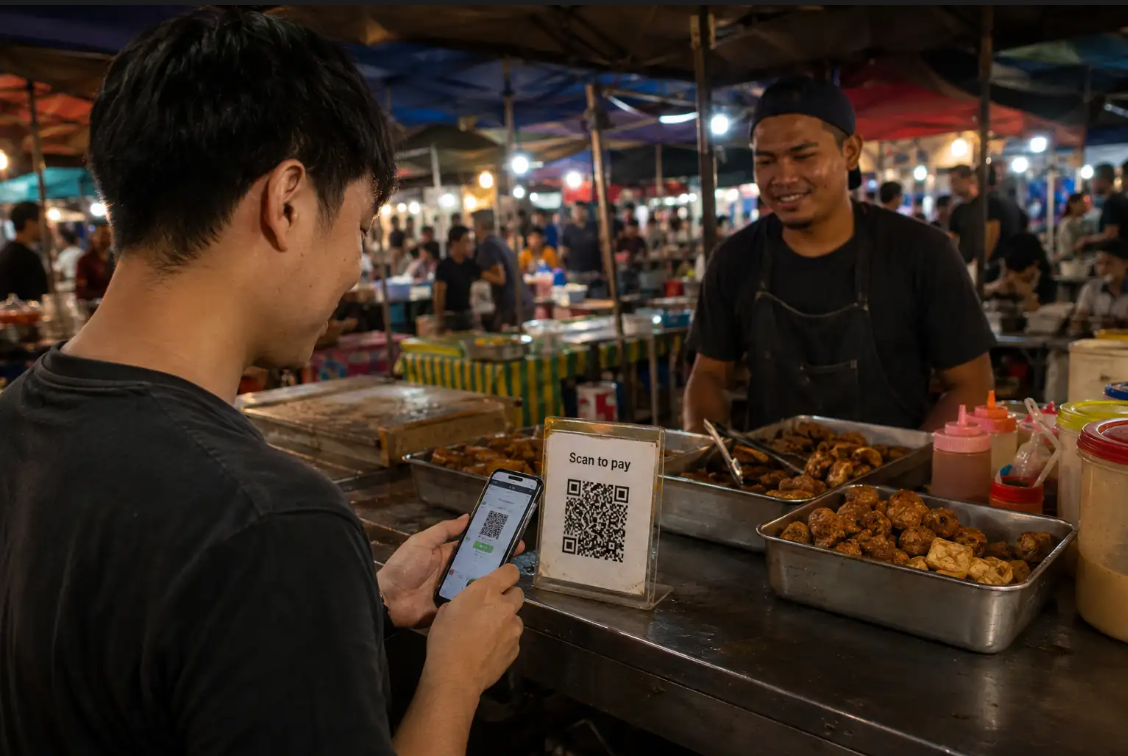
Today, a national initiative called DuitNow allows real-time payments to and from mobile numbers anywhere in the country. This program was recently extended to allow cross-border payments with Thailand via QR codes. According to a recent announcement by the Monetary Authority of Singapore (MAS), this interbank money transfer service has also recently added Singapore’s PayNow to its network. The first phase is expected to launch by the fourth quarter of 2022.
While Malaysia was a mostly cash economy not too long ago, the emergence of online shopping and digital payments has seen a rapid change in the payments landscape. Bank transfers now account for over 40% of online transactions while cards are about 36% of the market and rising. Cash on delivery comes in at about 11%.
Payments will continue to evolve as Malaysia shifts to the digital economy. This year, the country’s ecommerce sales are expected to reach $7.4 billion, almost equal to sales in Thailand despite having less than half the population.
Attracted to Malaysia’s emerging, tech-savvy middle class and their quick adoption of digital money, fintech investors and companies are also introducing more sophisticated digital services. Advanced artificial intelligence, for example, is speeding up credit checks and driving powerful growth in the buy-now, pay-later segment, which is expected to expand 25% a year until reaching over $2.2 billion in 2028.
This steady migration to new digital solutions, coupled with supportive government initiatives and the country’s reputation for new business creation, make Malaysia a unique opportunity for investors and companies looking to access Southeast Asia’s dynamic payments sector.

 Login