

Solutions
Securely accept, manage, and make payments through one point of integration





The regional dynamo has no intention of slowing down either. The accelerated transition to digital payments during the pandemic, together with a thriving startup scene and forward-looking government, are seeing Singapore lead the way on many initiatives from instant payments across borders to central bank digital currencies.
Even as Singapore’s regional neighbours post some of the world’s fastest growth rates in the use of social commerce and mobile banking, Singapore will likely remain a frontrunner in the adoption of cutting-edge digital solutions.
Singaporean adults enjoy near-universal access to bank accounts and other financial services while owning an average of 3.6 credit and debit cards and more than 10 prepaid cards and e-wallets. Despite the growing adoption of digital wallets, these credit and debit cards remain the most popular means of payment in the country today.
Credit cards accounted for 38% of the total last year for in-store transactions and are expected to retain the lead until 2024. Customers used cash for 26% of in-store payments, but this is projected to fall quickly over several years as digital wallets become more widely used and reach about 20% of in-store transactions by 2024.
As with countries all over the world, the pandemic and resulting lockdowns are driving a massive shift from shopping in-person to shopping online, and this transition is creating a new payments landscape dominated by digital money. Led by Millennials and Generation Z, about 7 in 10 Singaporeans say they increased their use of digital payments during the lockdowns, the biggest change in Southeast Asia after Vietnam.
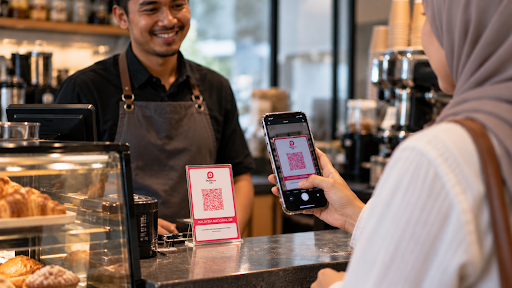
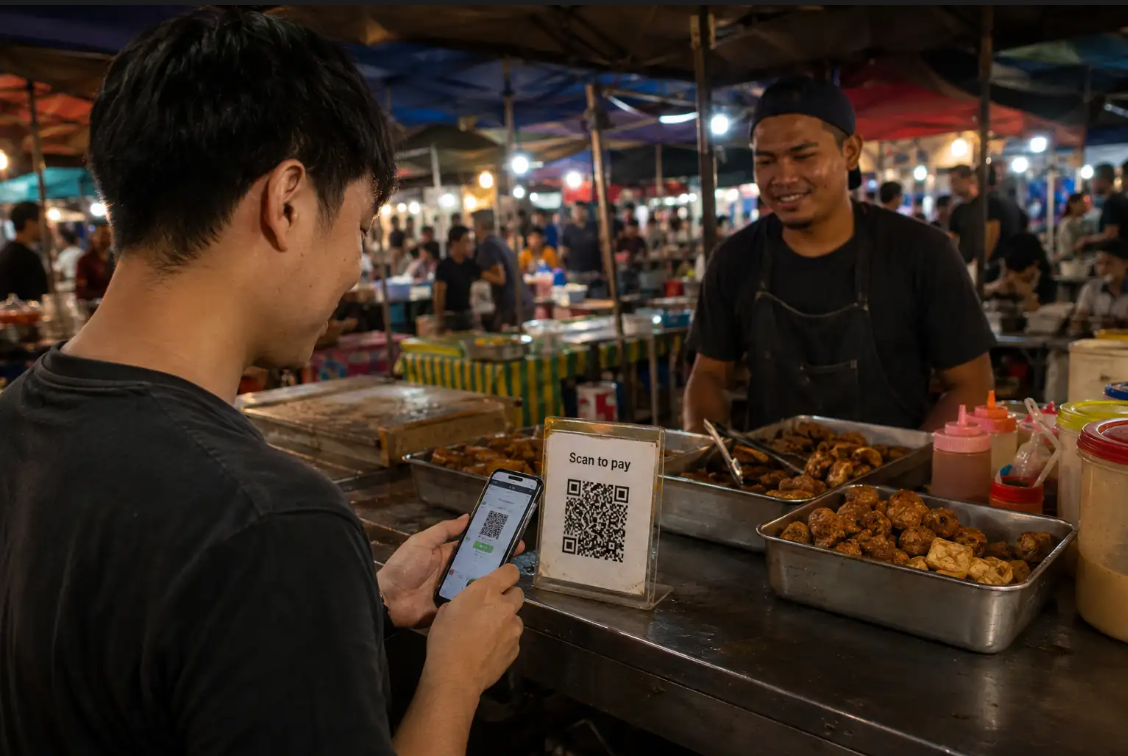
This shift to contactless payment has mainly been driven by the embrace of digital wallets for online shopping. While credit cards accounted for 45% of online transactions last year, they are expected to be overtaken by digital wallets within just three years. The continued rapid growth in ecommerce – together with the emergence of new digital solutions like Buy Now Pay Later – are expected to fuel yet greater adoption of digital money and wallets.
From about $11 billion worth of digital transactions in 2021, a forecast annual growth rate of 22.7% should see digital payments reaching over $25 billion by 2025.
This outlook could mean that the writing is on the wall for cash. While still used by 30% of the population, especially among the elderly, about 90% of Singaporeans say they are willing to go completely cashless as digital payments become more convenient and secure.
The Singapore government is known for their market-friendly policies and long-term planning. Their approach to digital money is no exception.
Following Monetary Authority of Singapore (MAS) approval, three non-bank financial institutions have been given access to the local PayNow payment platform. This move allows users to send and receive money among bank accounts and e-wallets using just a phone number.
This follows a decision to create a payment corridor with Thailand that facilitates money remittance in real-time between the two countries. And more recently, it has been announced that Singapore is looking to link their real-time payment networks with India and Malaysia.
In addition, reports suggest that Singapore is working with Australia, Malaysia and South Africa to test central bank digital currency (CBDC) transactions among the countries. The move reflects a mounting interest in Singapore for a CBDC with the MAS recently shortlisting 15 companies to help them develop the currency. More exciting developments are expected ahead for this forward-looking city-state.
 Login