

Solutions
Securely accept, manage, and make payments through one point of integration


Behind every 11.11 and 12.12 sale, payment providers are scaling capacity, balancing cost and keeping checkout secure. Here’s what happens behind the scenes, and the questions to ask your provider before peak season.
In short: During major sales such as 11.11 and 12.12, transaction volumes can rise to 20 times normal levels. Payment providers prepare well before the sale by planning capacity that scales up and down with demand, testing how connected systems behave under load and putting resources where they matter most to merchants, such as checkout, without compromising security. Merchants cannot see this work, but they can ask their provider about it before peak season.
As shoppers fill their carts and wait for the clock to strike midnight on 11.11 or 12.12, merchants are preparing for one of the busiest periods of the year. Promotions are scheduled, inventory is ready, and campaigns are set to drive more customers to checkout.
But while shoppers browse for deals, another kind of preparation is happening behind the scenes. Payment providers are getting their systems ready to handle changing transaction volumes, maintain performance and manage the resources needed to process payments.
As a business, a successful sales campaign brings little value if customers run into problems when they try to pay. But getting ready for a big sale takes more than making sure a payment platform can handle more transactions. Providers also have to think about how their systems respond when demand shifts, how they manage costs and how they keep payments secure.
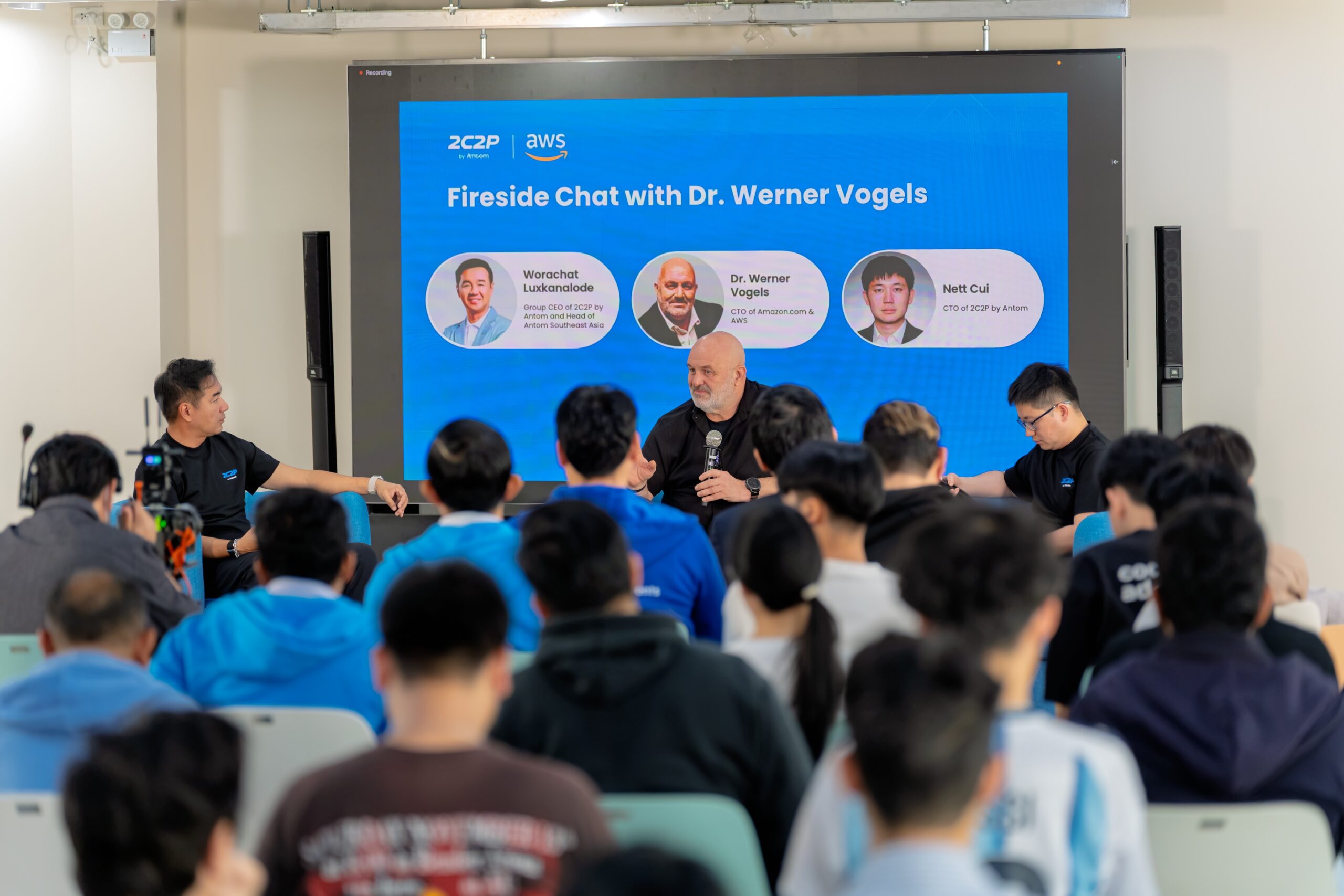
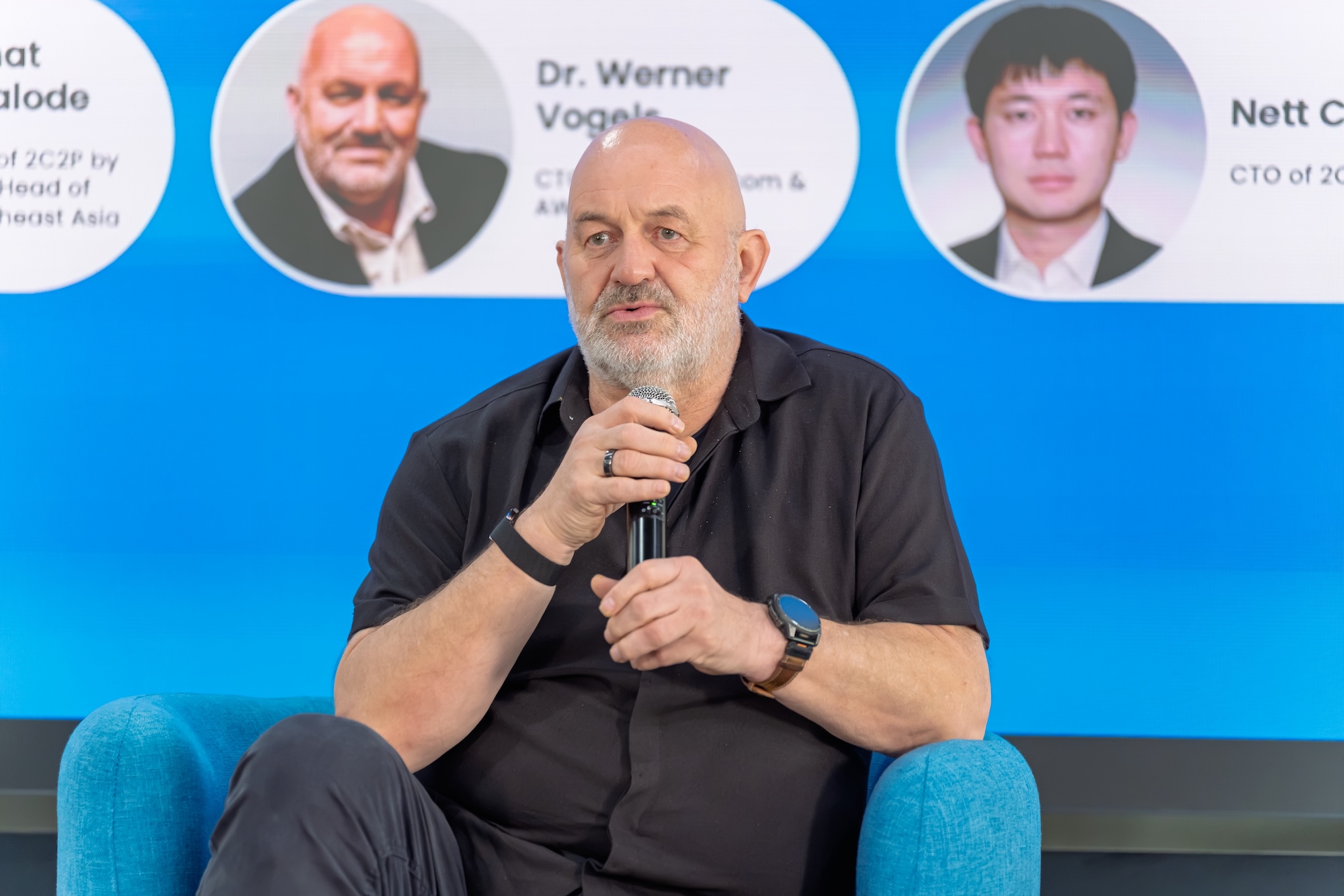
At a recent fireside chat between 2C2P and Amazon Web Services (AWS), Amazon’s Chief Technology Officer, Dr Werner Vogels, discussed some of the engineering decisions that keep payments running behind the scenes. These decisions give merchants a useful view of what to plan for ahead of peak sales periods.
During major shopping events such as 11.11 and 12.12, large numbers of customers try to pay within a short window. The year-end holiday season can bring another wave as people shop for gifts and seasonal deals.
For merchants, that is a chance to grow sales. For the payment infrastructure supporting those sales, it creates a period of changing demand that needs to be anticipated and managed.
In a May 2026 announcement about its AWS infrastructure, 2C2P and AWS noted that transaction volumes during major shopping events can rise to 20 times normal levels. This illustrates why preparation cannot begin only when a campaign goes live.
A payment is more than the moment a customer clicks “Pay”. Depending on the payment method, several systems may need to talk to each other, including those that handle authentication, fraud checks and connections to banks, card networks or alternative payment providers.
These components need to work together as part of the checkout journey. If one encounters a bottleneck or a connected service experiences a problem, the customer may experience a delay or an unsuccessful payment.
That is why payment providers prepare for busy periods well before merchants launch their campaigns. They need to assess expected demand, understand the dependencies within their systems and plan for how their infrastructure will respond as transaction volumes change.
Imagine your campaign performs better than expected. More customers arrive at your website, and more of them reach the checkout at roughly the same time.
Behind the scenes, your payment provider needs infrastructure that can respond to this changing workload. This is where elastic infrastructure comes in.
During the fireside chat, Vogels pointed to a core principle of cloud computing: responding to demand means being able to scale up when more resources are needed, and scale back down when activity falls.
This matters because demand does not stay at its peak for long. A provider may need additional computing resources during a major shopping event, but maintaining the same level of capacity during quieter periods could mean paying for resources that are no longer needed.
2C2P moved its infrastructure to AWS in 2014. In its published account of the collaboration, AWS describes how 2C2P uses services including Auto Scaling, Amazon ECS and Amazon EKS to adjust capacity as demand changes.
Preparation is about more than adding resources, though. Engineering teams need to understand how different parts of a payment journey interact, spot likely bottlenecks and test how systems behave under different workloads. More capacity in one part of the infrastructure does not automatically remove a constraint somewhere else. For a closer technical look, see our engineering series on building fast and scalable services in the cloud.
2C2P’s in-house Payment Controller (PACO), for example, orchestrates transactions across payment rails, digital wallets, bank transfers, QR payments and global card networks through a single API. This is part of the broader infrastructure that supports its payment operations across different payment methods.
For merchants, the takeaway is that preparing for peak demand takes coordinated planning across every system involved in a payment. It is not just a matter of switching on extra capacity at the last minute.
When preparing for a major sales event, it might seem safest to build for the highest possible demand and keep plenty of spare capacity running all year. But resources that sit idle outside peak periods add cost without adding value for merchants or their customers.
During the fireside chat, Vogels discussed why cost belongs in infrastructure design, alongside reliability, resilience and security. He stressed that engineering teams should work with business stakeholders to agree which functions matter most, and then direct resources towards them.
Checkout is a good example. If a customer cannot pay, your business may lose the sale, so the payment flow is where reliability and resilience matter most. Other parts of a platform can tolerate different levels of disruption and do not need the same level of investment.
At 2C2P, this frugal approach to engineering means investing resources where they deliver the most value to merchants: building effective, reliable services and protecting the critical payment flows that customers depend on, especially when demand is at its highest.
That said, managing costs is not the same as cutting essential safeguards. Vogels specifically cautioned against treating security as a negotiable trade-off. For payment services, security and compliance requirements remain fundamental.
As a merchant, you are not in charge of your provider’s infrastructure decisions, but you can ask how its services are designed around your business. Knowing how your payment service provider prepares for demand spikes, monitors performance and handles issues can help you judge whether its approach fits your needs.
Preparing for peak sales periods is not only about infrastructure. Payment providers also rely on engineers to maintain existing systems, fix technical issues and keep improving complex platforms.
During the fireside chat, Vogels discussed how AI can help engineers with tasks such as upgrading applications between software versions. He also described how AI agents can pull together information from different sources when engineers investigate an issue, so less time goes into gathering data before the analysis starts.
2C2P has also shared examples of AI-assisted software development and application modernisation. According to the AWS announcement about 2C2P’s infrastructure and AI initiatives, these include using Amazon Bedrock to generate merchant integration code and AWS Transform to help modernise legacy applications.
AWS reports that these initiatives have helped improve engineering productivity, with early application modernisation work cutting upgrade cycles from months to weeks. These are reported outcomes, not a guarantee of results for every development task.
There is one important caveat: AI-generated code and recommendations still need to be checked.
During the discussion, Vogels used the term verification debt to describe the work that remains after AI produces something: someone still has to verify that it is accurate and safe. AI can produce useful results, but it can also make mistakes or introduce vulnerabilities. Human review, appropriate testing and clear ownership remain essential.
Security is another area where AI-driven testing is becoming increasingly important. Bad actors can leverage AI agents to identify software vulnerabilities with greater speed and at a lower cost. Defenders need to adopt similar AI-driven methods to test their own software, uncover potential weaknesses and address them before deployment.
This is particularly important in payments, where a single change can affect connected systems and sensitive financial processes. Using AI responsibly means thinking not just about how quickly a task gets done, but also about how its output is verified and secured before it goes live.
You do not need to understand every technical detail of payment infrastructure to prepare for a major sales event. But asking the right questions early can show you how your provider approaches peak demand and what support is available if problems arise. If you are still comparing providers, our guide to choosing a payment gateway in Singapore covers the wider checklist.
Here are five useful questions to raise before your next major campaign, and what a good answer should cover.
| Question to ask | What a good answer covers |
| How do you prepare for sudden increases in transaction volume? | How the provider plans for 11.11, 12.12 and the year-end season, how it assesses capacity needs and how it tests its systems under different workloads. |
| How do you monitor payment performance during busy periods? | Which indicators it tracks, such as payment success rates, latency and failed transactions, how it spots emerging issues and what it can share with your team. |
| What happens if a payment service or connected system has a problem? | Its incident management and escalation process, how it keeps merchants updated during an issue and who your team should contact during critical trading periods. |
| How do you use AI, and what safeguards are in place? | Where AI is used in engineering or operations, and how the output is tested, secured and owned by people before it goes live. |
Have these conversations before your campaign begins, so there is time to clarify expectations, review your own checkout journey and fix any gaps in your peak-season plans.
It is also worth checking the parts of the payment experience you control. Make sure your website and checkout have been tested, your payment options are configured correctly, and your internal team knows how to escalate issues. Your provider is only one part of the journey, so preparation on both sides matters.
When shoppers are counting down to 11.11, 12.12 or a major holiday sale, payment providers are doing work that most customers will never see. They are getting infrastructure ready for higher transaction volumes, balancing reliability and cost, and maintaining the systems behind every payment.
For merchants, understanding this behind-the-scenes work gives a fuller picture of peak-season readiness. A successful campaign depends on more than generating demand. It also depends on the systems and partners that help customers move from choosing a product to completing a purchase.
Before your next major sales event, speak with your payment provider about how it prepares for demand spikes, monitors performance and handles problems. Together with testing your own checkout, these conversations can help you go into your busiest periods with more confidence.
As your business prepares for its next sales peak, the payment experience deserves as much attention as your campaigns and promotions. 2C2P connects merchants with payment methods across Southeast Asia and beyond, helping businesses manage payment acceptance through a single integration.
Choose 2C2P for seamless payments every day, with the resilience to support your busiest sales periods. Talk to our team to get started.



 Login