

Solutions
Securely accept, manage, and make payments through one point of integration


This article was first published in The Business Times on 10 April 2026.
Southeast Asia’s payment story is often told as a leap from cash to digital, largely driven by the explosion of consumer-facing apps. But that chapter, focused on mere adoption, is effectively over. As the region moves into 2026, the more important shift isn’t about new app features; it is fundamentally about integration and the underlying payments infrastructure.
Digital payments are fast becoming the invisible, intelligent tracks underpinning commerce across Southeast Asia. According to recent industry research, they are on track to account for a staggering 94% of all e-commerce transactions in the region within the next few years. What is changing now is how these foundational systems connect, scale, and make decisions—sometimes even without direct human interaction at the application layer.
Four critical developments point to where payments in Southeast Asia are heading next, strongly demonstrating why payment infrastructure – not just the apps that sit on top of it – will truly define fintech for the next decade in our region.
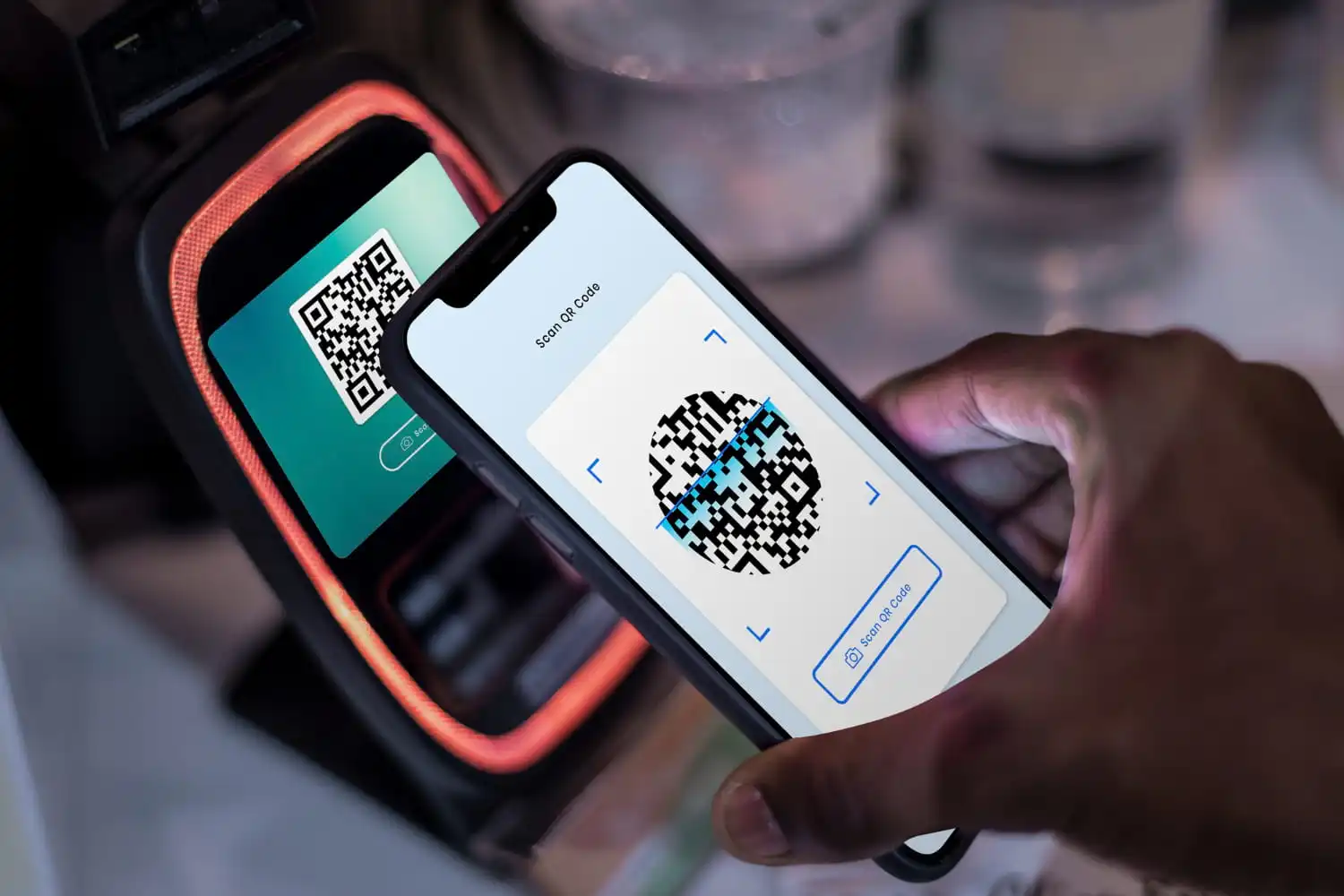
What began as country-specific real-time payment systems, often initiated through domestic payment apps, are now much more significant: they are increasingly linking up across borders, becoming a critical piece of regional infrastructure. QR-based payment networks such as PayNow, PromptPay, and DuitNow are no longer confined within national boundaries. Instead, these underlying payment rails are forming a robust regional mesh that allows consumers to pay abroad using familiar, locally regulated methods. Indeed, QR payment values across Asia-Pacific are projected to surge to US$1.2 trillion by 2029, a trend powerfully evident in this cross-border infrastructural interconnectivity.
This matters because it quietly redefines cross-border payments. Rather than relying solely on global card schemes, Southeast Asia is building its own interoperable payment highways—shaped by domestic regulation but designed for seamless regional use. For merchants, the distinction between “local” and “foreign” customers is beginning to blur due to this integrated infrastructure, opening vast new markets. For regulators, the challenge is significant: aligning standards and harmonising regulations across these infrastructural layers without slowing momentum, which is critical for long-term interoperability and trust.
For years, improving checkout meant better UX design within an app or website. Increasingly, it is about fundamental protocols and technical standards that are invisible to the end-user but critical to the payment process.
Click to Pay, built on EMVCo network tokenisation, reflects a broader shift towards protocol-led checkout experiences. By replacing manual card entry with secure tokens that work across devices and merchants, these systems aim to reduce friction without weakening security. Research suggests tokenisation can reduce fraud risk by up to 26%, providing a rare win-win in payments.
By substituting sensitive card details with unique tokens, tokenisation renders intercepted data unusable, significantly lowering the risk of fraud and data breaches.
This frictionless approach, embedded deep within the payment infrastructure, is also expected to significantly boost authorisation and checkout rates.
The implications are significant. As these infrastructure-level standards gain traction, merchants that fail to adopt them may find themselves competing at a structural disadvantage rather than a branding one. With global network tokenisation revenue forecast to reach $8.9 billion by 2029, the imperative for adopting this core payment infrastructure upgrade is clear.
SoftPOS, or tap-to-phone technology, is removing one of the last physical barriers to digital payments: dedicated hardware. This isn’t just a new app feature; it’s a fundamental change to the payment acceptance infrastructure.
By allowing NFC-enabled devices to accept contactless payments, softPOS dramatically lowers the cost of entry for small or mobile-focused merchants. This is especially relevant in Southeast Asia, where informal and micro-businesses play a major role in the economy. The transaction value processed via softPOS is projected to see a staggering 2,150% increase to reach US$540 billion by 2030, underscoring its disruptive potential to democratize payment acceptance infrastructure.
The result is not just convenience, but inclusion. When every smartphone can become a terminal, digital commerce expands beyond malls and storefronts into street markets, pop-ups, and last-mile delivery, fostering greater financial inclusion and operational efficiency by making payment infrastructure universally accessible.
Perhaps the most disruptive change on the horizon is the rise of agentic AI in commerce. Unlike earlier forms of automation that merely assisted users through apps, agentic systems do not simply support; they act on their behalf, with autonomous bots negotiating and transacting directly within the payment flow infrastructure.
Global payment networks and technology companies are already developing frameworks that allow AI agents to initiate, authenticate, and complete transactions. These “machine customers” introduce new efficiency, but also pose profound challenges to existing regulatory and security infrastructure. Existing regulatory and fraud models, designed for human behaviour, struggle with autonomous software capable of executing thousands of micro-transactions at speed.
This will force a rethink of accountability, authorisation, and security at the systemic level. Operating without direct human oversight, these agents create a critical accountability gap in existing frameworks. Static rules will not be enough; adaptive, behaviour-based systems, embedded within the payment infrastructure, will be essential, alongside clear regulations to define liability and distinguish legitimate AI from malicious botnets.
Taken together, these shifts unequivocally demonstrate that Southeast Asia is entering a profoundly mature phase of payment evolution. The defining characteristic of the next decade won’t be the launch of more consumer apps, but rather the strategic development and deployment of resilient, interoperable, and intelligent payment infrastructure. It is this deeper, foundational layer of interconnected systems, robust standards, and AI-driven processes – not just the applications built upon them – that will truly underpin the region’s economic future and define its fintech trajectory.
For merchants, success will hinge on how adeptly they navigate this growing infrastructural complexity, embracing the vast opportunities while strategically addressing the security and regulatory hurdles that accompany such rapid innovation at the core. For policymakers, the task is to encourage innovation within this evolving payment backbone while maintaining trust and establishing clear frameworks. For the region as a whole, payments are becoming something far more significant than mere transaction tools delivered via apps: they are the critical foundation for cross-border digital growth, demanding foresight and proactive adaptation at the infrastructural level, setting the stage for the next ten years.



 Login
Login