

Solutions
Securely accept, manage, and make payments through one point of integration




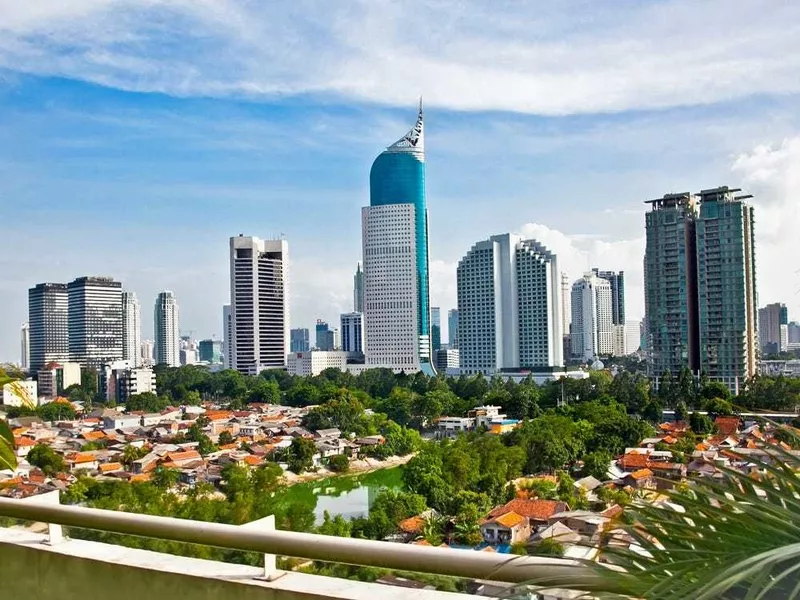
Indonesians are also incredibly optimistic about technology, ranking fourth globally for their expectations of the Internet and the impact it will have on their lives.
It is no surprise then that this mix of size, energy and untapped opportunity has turned Indonesia into a magnet for startups. Within a few short years the country’s agrarian economy has quickly shifted gears to produce more unicorns than Japan and Australia, while Startup Genome recently listed Jakarta as the No.2 emerging ecosystem for talent, funding and market reach.
The focus of much of this startup activity is fintech. There is a powerful need to match the rising expectations of the world’s fourth-biggest population with the reality of integrating sophisticated digital payments into a developing economy spread across a sprawling archipelago of 17,000 islands.
Over 80 million Indonesians don’t have a bank account, the third-highest number in the world after China and India, while cash is still used in some form by 96% of people today.
However, cash is far from the favourite form of payment. Breaking down the share of payment types, bank transfers lead the way at about 44% of the total, followed by digital wallets at 34% and rising quickly, while cards and cash languish at about 10% each.
To understand where this market is heading in the future, it’s interesting to see what Indonesians prefer to use as payment. In one survey, digital wallets are found to be favoured by a significant majority of the population, with just 10% saying they want to use cash and only 5% and 4% preferring credit and debit cards respectively.
These preferences are driving dramatic changes in the payment mix, especially against the backdrop of the global pandemic and the rush to adopt contactless solutions.
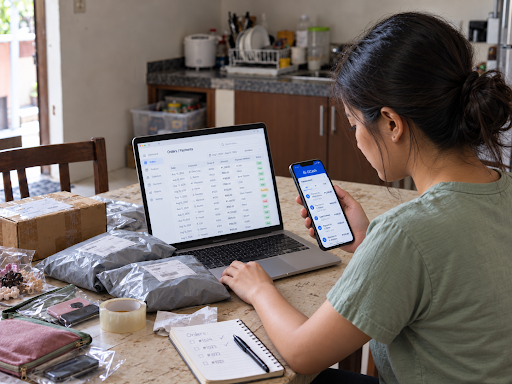
The value of electronic money transactions rose 39% to $13.95 billion last year and is expected to jump again this year to $18.5 billion. Incredibly, online shopping accelerated to 20% of total retail sales in 2020, from just 3% in the previous year.
The Indonesian market is ripe for a digital transformation. While 90% of large corporations have shifted to digitized systems, just 13% of the small and medium businesses that make up the bulk of the economy have done so.
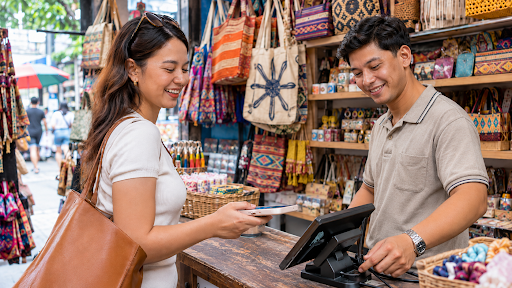
Many of these small operations are mom-and-pop warungs that sell basic necessities in local neighborhoods and villages across the country. Together, they account for up to 70% of instant consumer-good transactions. Connecting these small businesses to the digital economy will be key if Indonesia is to reach its full potential as a developed country.
With Indonesia’s banks slow to spur this transition, and few Indonesians taking up credit cards, there is a world of opportunity for tech companies to bridge the digital gap. And they are. At the beginning of 2020, about 54% of the funds in e-money accounts was held in non-banks, up from 36% a year earlier and contributing to a 70% spike in the use of financial apps last year.
The emergence of e-wallets – along with digital insurance services, AI-driven lending and ecommerce – is giving rise to an ecosystem of tech behemoths and startups alike that are rapidly transforming Indonesia’s economy.
And thanks in part to a government that is more open to mergers and acquisitions than China, India and others in Asia, Indonesia has seen significant inflows of foreign investment. This year saw the biggest merger in the country’s history, when Gojek and Tokopedia combined to create an entity that accounts for 2% of Indonesia’s GDP.
The government is getting involved in the country’s tech transformation in other ways too.
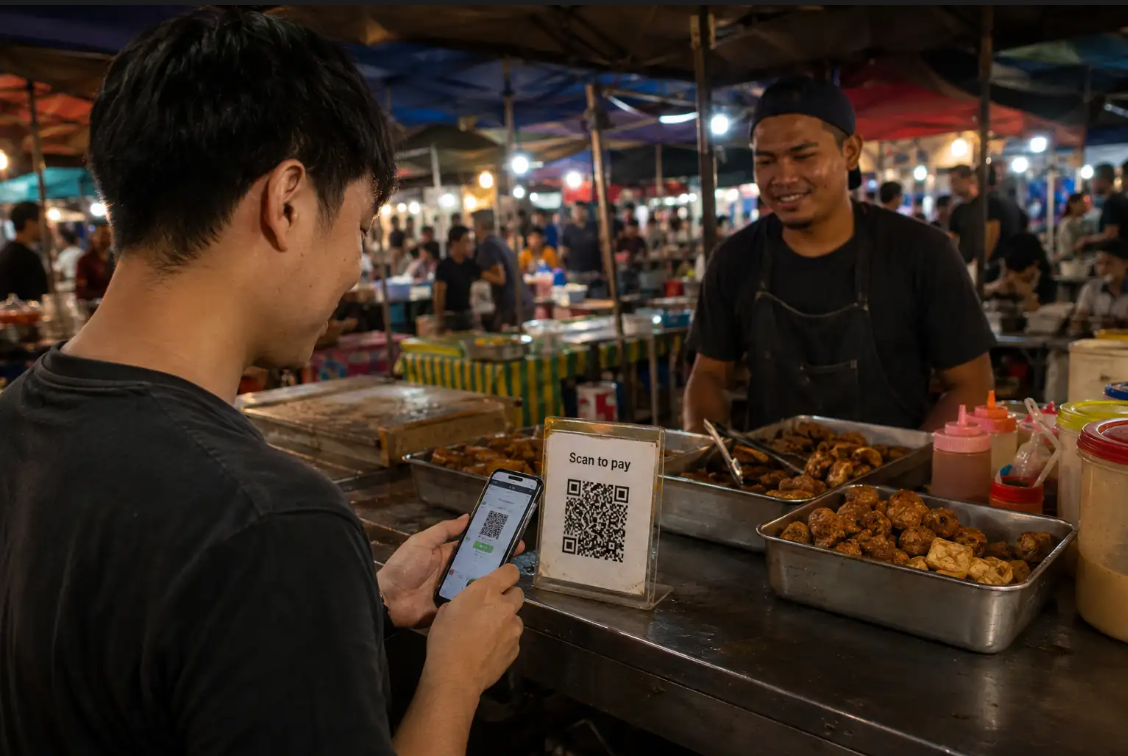
The central bank introduced a QR code that standardizes and integrates payments across all mobile providers, while the government recently relaxed some rules to allow foreign investors to control 85% of economic interests in payment service providers, up from the previous limit of 49% .
With the new foreign-friendly rules, the payments scene in Indonesia is expected to liven up with healthy competition to meet the needs of the digital Indonesian consumer.

 Login